Have you ever found yourself in a state where you have curated high-quality content but still haven’t ranked well? This happens when one of the most critical strategies, internal linking, is often overlooked while creating content.
As an SEO expert suggests, internal linking helps high-quality content grab attention in search engines. In this blog, we are describing some of the common mistakes in freelance digital marketing. Moreover, you will find the best way to fix them, ensuring optimal search rankings.
What is Internal Linking?
As an SEO expert states, an internal link is a link that takes the user from one page to another of a website. These internal links help users navigate their way from one part to another, making the user experience easy. Search engines such as Google, Yahoo, and others also use internal links to navigate the same.
There are several types of internal links in search engines. For instance, you can add links to the homepage, menu, etc. These contextual links let users move from one to related content. These links also help websites determine their rank and value.
There is a saying that ‘the more the merrier’; similarly, more links help web pages rank higher in search engines. As a result, the right internal links are significant in freelance digital marketing.
Why are Internal Links Important?
Be it any search engine, internal linking is a crucial aspect of determining your website’s value. But ever wonder why? Google or any other search engine follows these internal links to discover more content in the search results.
If your website has many links, this hints to search engines that your content is either high-quality or essential. This also works for external links. Moreover, owners can easily control internal linking.
Common Mistakes in Internal Linking
We already know internal linking is a crucial and easy aspect of SEO services in India. Despite being easy, there are some common mistakes every blogger makes sometimes. Let’s discuss these common mistakes and how we can fix them.
Know More About:- The Ultimate Guide to Social Media Management in India
1. Non-descriptive anchor texts
The first mistake bloggers make is using non-descriptive anchor texts. These anchor texts are the links that bloggers want to link. Since they are a clickable part of a hyperlink, a blogger must properly describe the content of the linked page.
For instance, if you want to rank freelance SEO India bloggers should use anchor text closely related to this keyword. As a result, bloggers should use descriptive and relevant anchor texts for better ranking. This way, search engines understand the context, improving accessibility for users.
2. Anchor text cannibalization
The next mistake in the list is anchor text cannibalization. This occurs when bloggers use single anchor text for multiple posts or pages on a website. Using single anchor text for multiple posts confuses search engines, which often limit the ranks of every page. For instance, using SEO services in India for multiple services dilutes ranking on search engines.
Know More About:- Boost Your Online Presence with the Best Freelance SEO Service in Delhi
The solution to this mistake is simple. Bloggers should differentiate anchor texts by using variations and highlighting distinctive aspects of linked pages, such as “On-page SEO services in India” or “Keyword research SEO services in India,” which helps to avoid cannibalization.
3. Footer link spamming
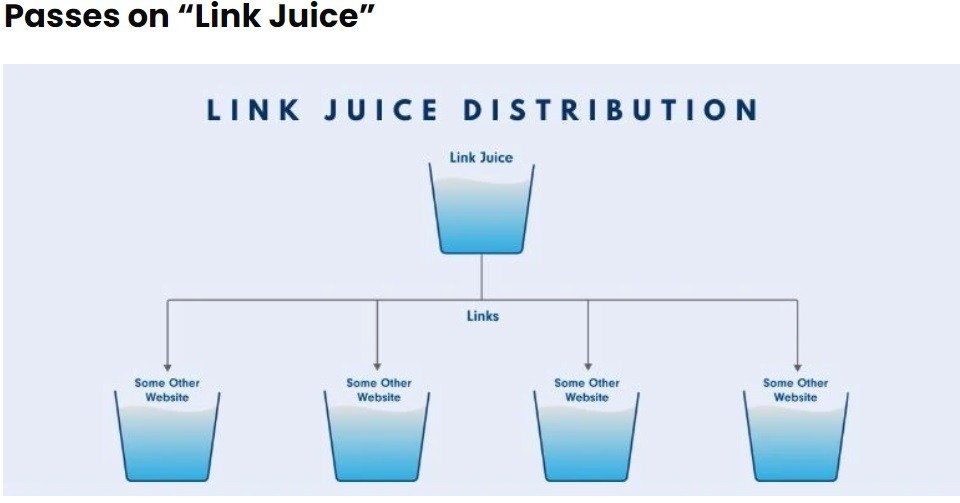
Every SEO expert knows that links are not created equally. There are many important and powerful links, such as in-content links, sidebar links, etc. Bloggers, most of the time, spam their footers with many anchor text links. This lets them believe that their website will grow, but this is where they get wrong. Footer links are generally less powerful than in-content links and sidebar links.
Know More About:- Maximizing Business Growth with Freelance Digital Marketing in India
Footer links might look powerful, but they are ineffective in sending positive signals to search engines like Google. Hence, limiting footer links to contact, about, policy, and main category pages is always better. This helps avoid footers with unnecessary and irrelevant links.
4. Linking to Noindexed Content
In earlier days of freelance digital marketing, an SEO expert used a concept known as PageRank sculpting. This concept has not worked over the years. Simply put, adding noindexed content is a waste. This happens because noindexed pages don’t contribute much to a website, making such links ineffective.
Bloggers can treat them with no-follow links and ensure all linked pages are indexed. Moreover, regular auditing of their links helps bloggers know that the links are still valuable and contain indexed content.
5. Not fixing 404s and 503s
Users get annoyed when they get 404 or 503 errors as it frustrates the whole flow of surfing websites. Although certain 404s or 503s don’t sabotage rankings, more errors can. Fixing such errors is not that difficult. Bloggers can easily check broken links through an SEO expert. Moreover, bloggers can use tools such as Broken Link Checker or Semrush to effectively deduct and fix broken links.
6. Automating internal linking
As suggested by SEO experts, everyone is using automated internal linking quite often these days. WordPress, Whisper, and other automation tools help simplify link building. But this doesn’t mean relying entirely on automation, as this can lead to uncontextual linking. The solution to this mistake is simple: use a blend of automation and manual reviewing of internal links. Hence, bloggers should ensure that they add links to content naturally.
7. Internal Permalink Redirects
Bloggers often change URLs without updating existing internal links, which leads to reduced ranks and slows down web page speed. This can be corrected by updating all internal links within time. Tools and plugins, like Search and Replace, are available for bloggers to streamline the whole process.
8. Overlooking Link Placement
We are already aware that not all SEO links are created equal. This means bloggers must see link placement and place impactful links higher than those in footers. This mistake can be sorted out by placing the most critical links at the top, which leads to boosting ranks in search engines.
9. Orphaned content pages
Orphaned content pages are the last mistake in internal linking. These content pages have no incoming internal links, making finding such web pages quite challenging. Bloggers can simply fix this by auditing websites regularly and identifying orphaned pages. Sites like Semrush, Ahrefs, Sitebulb, Moz, and others audit websites for orphaned pages. In addition, bloggers can use the Link Whisper plugin or Yoast plugin to scan the entire web page and add incoming internal links.
Know More About:- A Comprehensive Guide to Explore the Latest Google Algorithm Updates
Conclusion
The art of internal linking might seem difficult, but it is as simple as writing content. Placing internal links on relevant content can easily improve a website’s performance in search engines. If bloggers can simply avoid the above-mentioned mistakes and use solutions, the discoverability of their content will improve.
So, to explore more SEO services in India or know what an SEO expert says on internal linking, contact us!